Offshore Floating Wind Turbines: Pioneering the Blue Economy
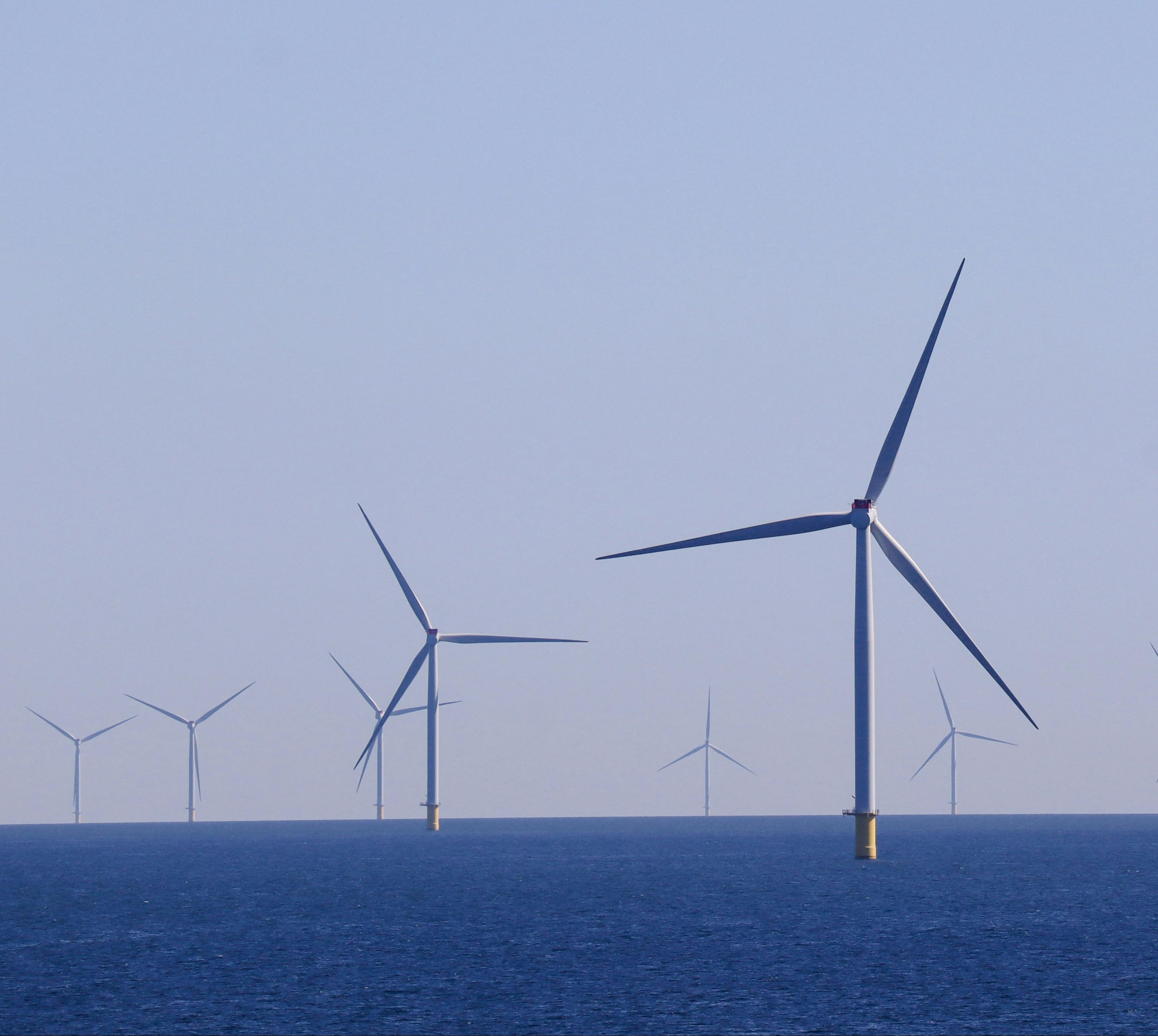
As the world transitions to cleaner energy sources, offshore floating wind turbines are becoming vital players in the blue economy. Unlike traditional offshore wind turbines anchored to the seabed, floating turbines can be deployed in deeper waters, where stronger and more consistent wind speeds enhance energy production. This capability significantly boosts energy generation. In this article, we explore how floating wind turbines operate, their many benefits, and their essential role in advancing sustainability efforts.
How Floating Wind Turbines Work
Floating wind turbines function much like their fixed counterparts. The wind turns the turbine blades, which spin a generator inside the structure to convert kinetic energy into electrical energy. Subsea cables then transmit this electricity to the shore. The innovative design of floating turbines allows them to anchor to the seabed while floating on the surface, enabling deployment in locations once considered unsuitable for wind farms.
Benefits of Offshore Floating Wind Turbines in the Blue Economy
- Stronger Winds: By operating in deeper waters, floating wind turbines harness stronger and more stable winds, increasing their efficiency and energy output.
- Large-Scale Power Generation: Floating wind farms can cover vast ocean areas without the constraints of land use, providing significant energy contributions to the grid.
- Reduced Land Use Conflicts: Positioned in the ocean, these turbines avoid competing with agricultural land or urban development, alleviating concerns related to land use.
Challenges
While floating wind turbines present numerous benefits, they also face challenges:
- High Costs: Building and maintaining floating turbines incurs significant expenses. Specialized equipment and vessels are necessary, and the installation process involves logistical complexities.
- Environmental Concerns: There are potential impacts on marine ecosystems, including disturbances to fish habitats, birds, and marine mammals.
- Logistical Complexity: Installation requires meticulous planning to ensure the turbines withstand harsh oceanic conditions, such as saltwater corrosion and strong storms.
Importance of offshore floating wind turbines in the Blue Economy
Floating wind turbines play a vital role in the blue economy. They generate sustainable energy while minimizing land use. Coastal nations are actively investing in this innovative technology. This investment helps them transition to greener energy sources and achieve their climate goals. For further insights into the growth of offshore wind energy, check out the Global Wind Energy Council’s Offshore Wind Report.
Conclusion
Adopting floating wind turbines marks a significant step in harnessing renewable energy from our oceans. As key players in the blue economy, they pave the way for a sustainable energy future. Moreover, they create jobs and boost local economies in coastal regions.
For further insights into renewable energy technologies, check out this article on Advancements in Offshore Wind Energy